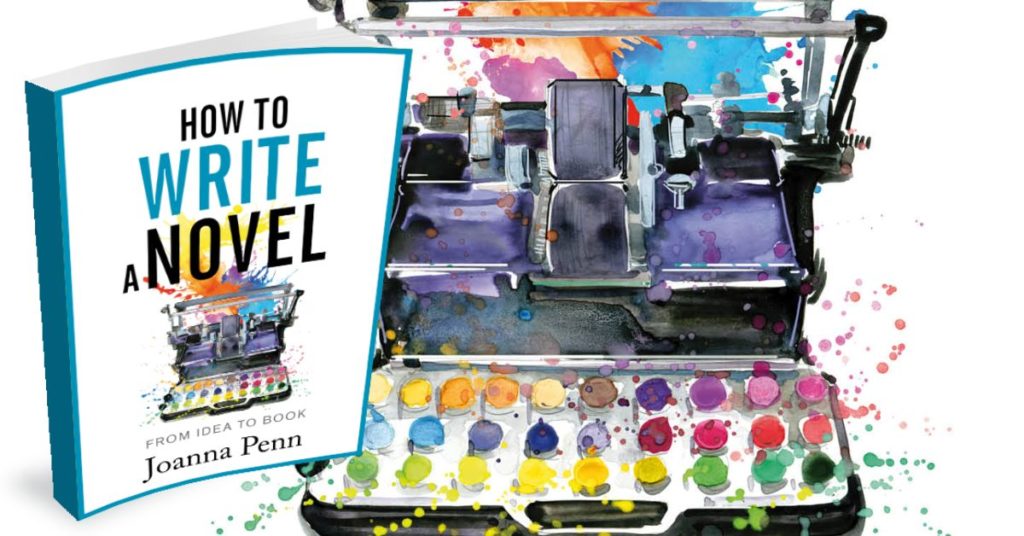
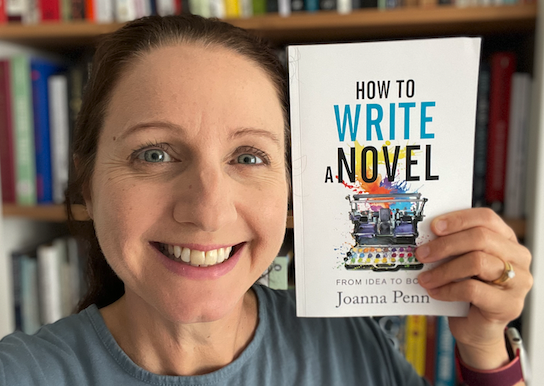
There are many aspects of writing a novel and you can find articles, podcast interviews, and resources below. You can also check out my book, How to Write a Novel, available in all formats as well as a Workbook.
Getting Started
How to Write Fiction: 7 Steps to Write Your Novel
Plotting/Outlining vs Discovery Writing/Pantsing
Productivity for Writers: 5 Ways to Become More Productive
How to Research a Novel … And When to Stop
Scrivener: The best software to write your novel. I’ve written over 40 books with it!
Tutorial: How to use Scrivener for Fiction and Non-Fiction
How to Write the First Draft of your Novel
Self-doubt and Imposter Syndrome
Writer’s block and more mindset issues
On Writing And The Fear Of Judgment
What is your definition of success as a writer?
Using Different Author Names or a Pseudonym as a Writer
What Are You Writing? Word Count. Standalone, Series or Serial
Lessons Learned from Rewriting My First Novel After More Than A Decade
Editing
Editing, revisions and proofreading: What happens after the first draft?
Editing a Novel: How I Do My First Round of Self-Edits
Different Kinds of Editors, and How to Find an Editor, with Kristen Tate
Intuitive Editing, with Tiffany Yates Martin
How to Self-Edit Your Novel. Interview with Kris Spisak
How to Find and Work With a Professional Editor
Tutorial: How to Use ProWritingAid to Improve your Writing and Edit Your Book
My list of recommended editors and proofreaders
Tips for Editing your Book with Natasa Lekic from NY Book Editors
Useful interviews on writing fiction from The Creative Penn Podcast
Join me every Monday for The Creative Penn Podcast, with interviews on writing, publishing, book marketing, and making a living with your writing. You can find the list of backlist episodes and topics as well as transcripts at www.TheCreativePenn.com/podcast
How To Develop Bestselling Story Ideas with J.D. Barker
7 Figure Fiction with Theodora Taylor
Outlining your Novel and Filling the Creative Well with K.M. Weiland
Writing a Series: Make More Money and Satisfy Readers with Lindsay Buroker
How Character Flaws Shape Story with Will Storr
Great Stories Don’t Write Themselves: How to Develop Strong Fiction Ideas with Larry Brooks
Writing in the Dark: Horror Writing Tips with Tim Waggoner
How to Write Emotion and Depth of Character with Becca Puglisi
How to Write Dialogue with James Scott Bell
How to Make Money Writing Short Fiction with Douglas Smith
Stop Worrying, Start Writing. How to Overcome Fear and Self-Doubt with Sarah Painter
How to Write a Mystery with Rebecca Cantrell
Use your own life story to bring depth to your writing with Steven Pressfield
Story Genius: How to use brain science to write a riveting novel with Lisa Cron
Writing Authentic Settings and Keeping a Series Fresh with Toby Neal
How to find your author voice with Roz Morris
How to banish writer’s block with K.M.Weiland
Writing Tips: Outlining for genre and literary fiction with Libbie Hawker
How to write faster and never get writer’s block with Michaelbrent Collings
Need more help?
If you’d like some more help on your author journey, check out:
- How to Write a Novel: From Idea to Book — available in all formats
- My Books for Authors
- The Creative Penn Podcast, interviews, inspiration and information on writing, publishing, book marketing and creative entrepreneurship every Monday
- My videos at YouTube.com/thecreativepenn