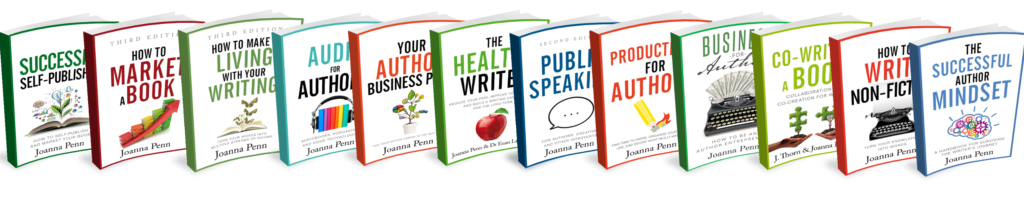
Most writing advice is focused on the “How To” aspect of writing – how to write a novel or a non-fiction book– as well as the business side – how to publish and market your books as well as how to make a living with your writing.
But sometimes you need help with the mindset aspects of being a writer because the creative journey is a rollercoaster!
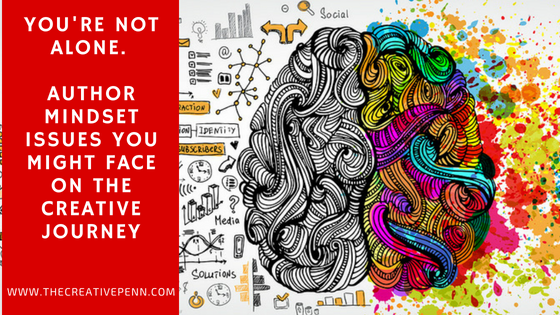
But don’t worry, you are not alone. We all go through these issues along the way, and in the article below, I hope you can find help on your author path.
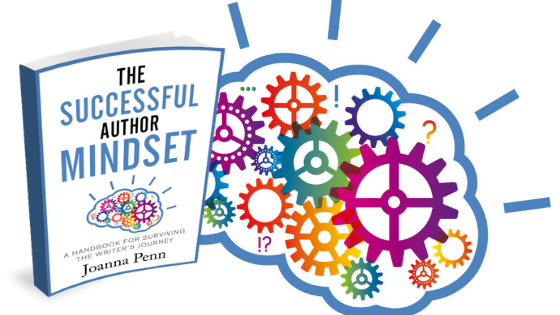
For more detail, check out my book, The Successful Author Mindset, available in ebook, print and audiobook formats. There’s also a Workbook edition.
Self-doubt and Imposter Syndrome
Speed, Quality and Perfectionism
On Writing And The Fear Of Judgment
What is your Definition of Success as a Writer?
The roller coaster of being a writer. Do you ever feel this way?
How Writers Deal with Self-doubt and Imposter Syndrome
The Writers’ Need for Validation
How Writers Deal With The Fear of Failure
Writing and the Fear of Rejection and Criticism
The Writer’s Quest For Excellence Vs. Perfectionism
Writer’s Block And Procrastination
How to Connect with Your Innate Creativity
Help! My Writing Isn’t Original
Why write? There are already too many books in the world.
Finding the Time and Discipline to Write
What To Do When Writing Feels Like Hard Work
Starting But Not Finishing Writing Projects
Dealing with Friends, Family, and Writers’ Groups
How do I find my writing voice?
Comparisonitis or “Everyone Else Is Better Than Me”
Creativity: Think Long Term. Create a Body of Work
Interviews on author mindset on The Creative Penn Podcast
How to banish writer’s block with K.M.Weiland
How to Stay Creative in Difficult Times with Mark McGuinness (A Pandemic Lockdown Special)
Turn Your Author Failures, Setbacks, and Mistakes Into Success with Joanna Penn and Orna Ross
Keep Going: How to be Creative for the Long-Term with Austin Kleon
The Artist’s Journey with Steven Pressfield
Stop Worrying, Start Writing. How to Overcome Fear and Self-Doubt with Sarah Painter
Resilience: How To Deal With Criticism And Rejection With Mark McGuinness
Writing with Depression with Michaelbrent Collings
It’s Never Too Late. How to Achieve Your Goals At Any Age With Kate Champion
Stop Worrying, Start Selling. Change Your Author Mindset with Sarah Painter
Warrior of the Blank Page. Writing, Marketing, and Mindset with Steven Pressfield
Struggling with self-doubt about your writing? Check out my book, The Successful Author Mindset, available as an ebook, print book and workbook as well as audiobook formats.